The Civic Confidence Gap: What 200+ Students Told Us
Civics isn't failing. Relevance is. Findings from Nagrik's Civic Literacy Survey suggest that while students understand citizenship, many struggle to see how their voice can create change.

When Nagrik surveyed students, we expected to find gaps in civic knowledge. Instead, we found something more concerning.
Students largely understood the basics of citizenship. They knew who represented them and understood what the Constitution says.
Yet, one finding stood out.
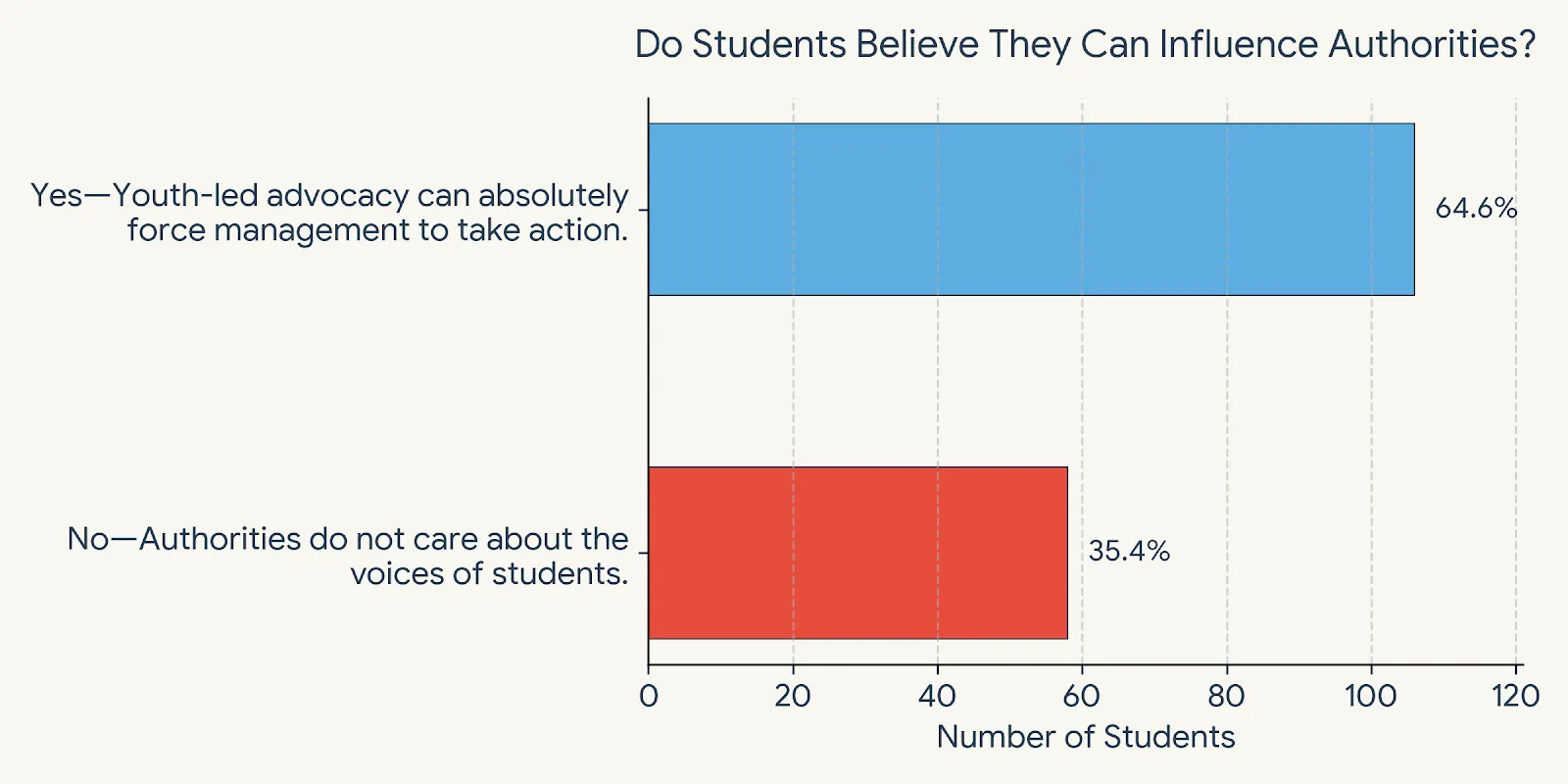
1 in every 3 students believed that the authorities did not care about their voice.
This reveals a challenge that goes beyond textbooks and examinations. The problem is not a lack of civic knowledge; it's a lack of civic confidence. Our survey also highlighted another trend. Students did not reject civics as a subject. Instead, they struggled to see its relevance in day-to-day lives.
While 95% of respondents could identify which authority is responsible for local civic issues, one in three still felt their voice would not make a difference.
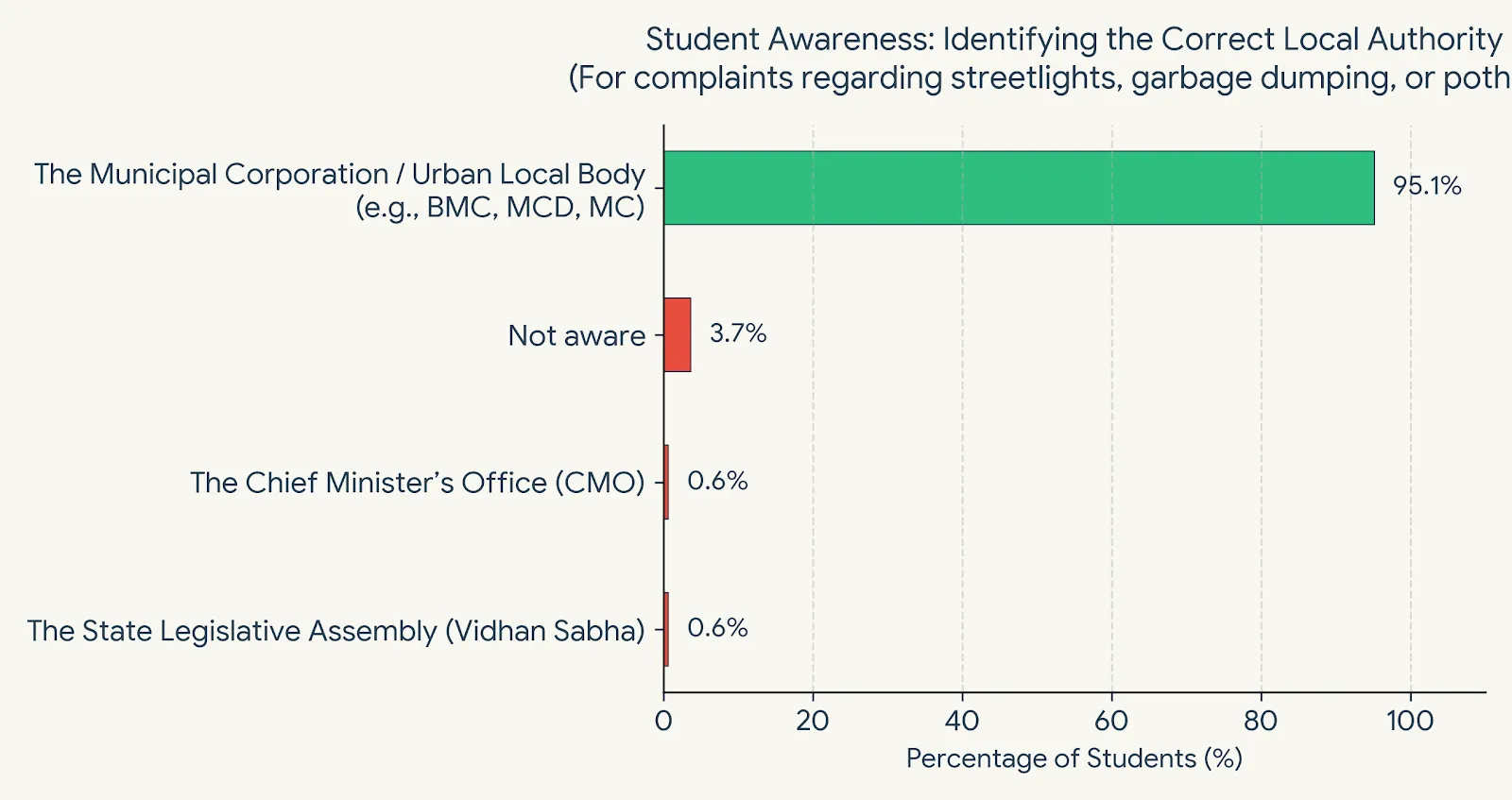
In other words, civics is not failing; relevance is.
If young people understand the system but do not believe their participation matters, civics has only done half of its job.
At Nagrik, we believe civic literacy must move beyond memorising institutions and towards understanding how governance shapes everyday life. Because informed citizens are important—but empowered citizens create change.
Take the Civic Literacy Survey
Help us understand how young Indians view citizenship, governance, and civic participation.