You Pay Them. Do You Know Them?
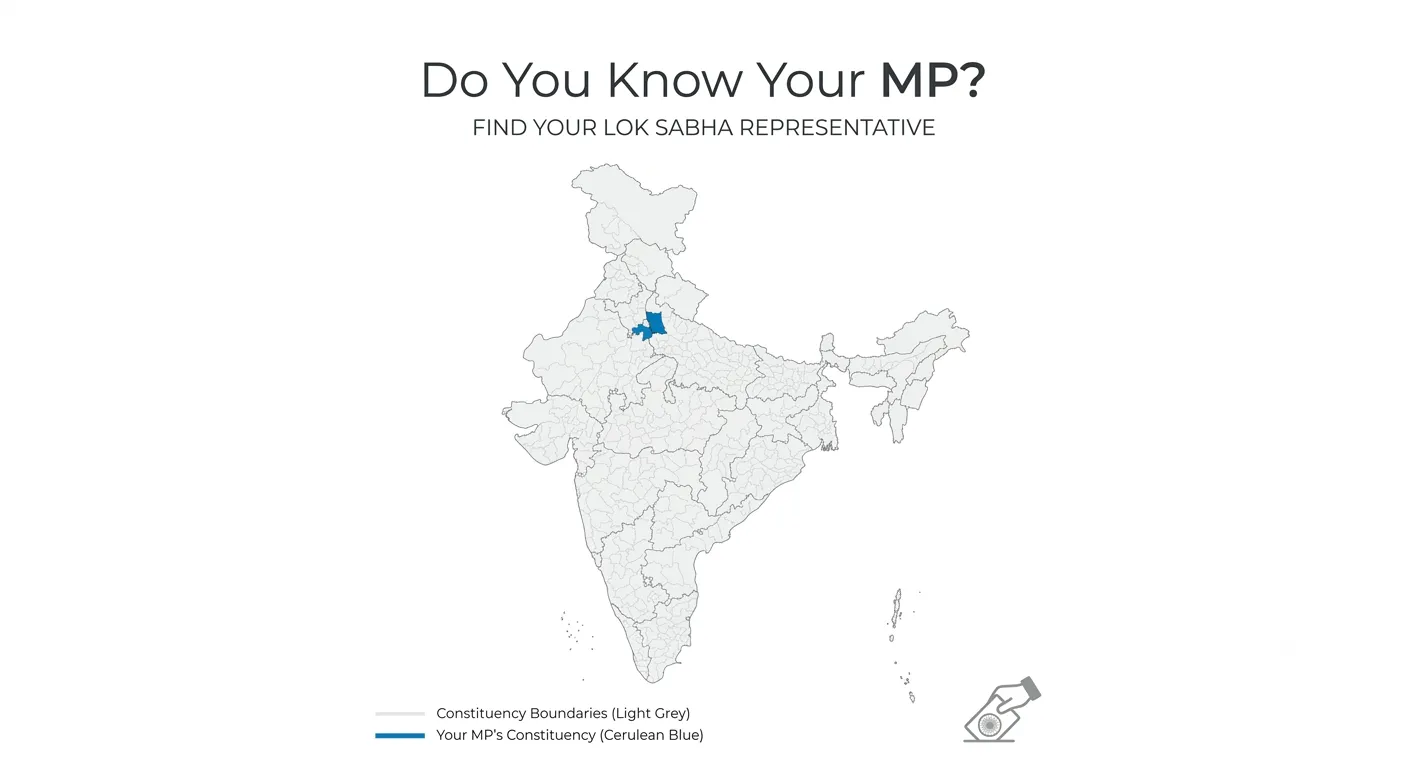
India is a vast country. Hence, it is divided into smaller (and equally populated) areas called Constituencies. India has 543 of them. Each constituency elects one Member of Parliament (MP) who represents them in the Lok Sabha.
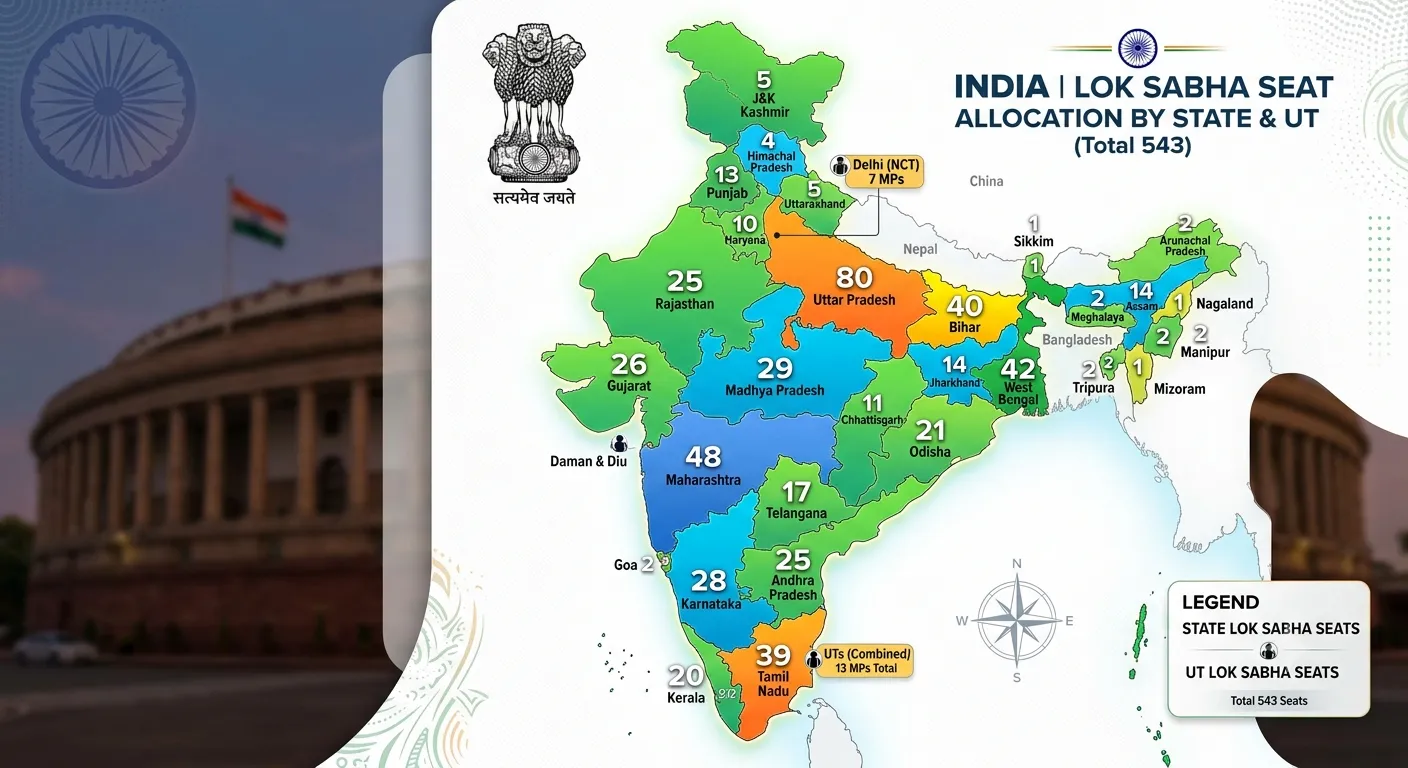
Because all states vary in size and population, different numbers of MPs are elected from each state. Take a look at the following photo.
Find out how many MPs are there from your state elected as of the last Lok Sabha elections?
What powers does an MP have?
She/He primarily represents the people of a constituency in the national Parliament, where they debate and vote on laws, scrutinize government policies, raise local and national issues, ask questions to ministers, serve on parliamentary committees, and advocate for their constituency's interests before the central government. While MPs can help secure attention and funding for development projects, they do not directly run local administration or municipal services; their main role is to legislate, oversee the executive, and act as the link between citizens and the Union government.
But what do they get in return?
Basic salary of ₹1,24,000 per month.
Constituency Allowance of ₹87,000.
Office Expense Allowance of ₹75,000
Housing allowance up to ₹2,00,000
50,000 units of free electricity.
4,000 kiloliters of free water annually
₹2,500 per day when attending Parliament sessions.
All from taxpayers' money.
And you still don't know who your MP is?